Get my articles & resources in your inbox plus a free AUTISM & ME ACTIVITY BOOK for age 6+! Sign up

Get my articles & resources in your inbox plus a free AUTISM & ME ACTIVITY BOOK for age 6+! Sign up
Anxiety can show up as avoidance, irritability, physical symptoms or needing repeated reassurance.
Find practical ideas for children aged 5–17, including autistic children and those with ADHD.
I’m Dr Lucy Russell, a child clinical psychologist with over 20 years’ experience in the NHS and private practice. At Everlief Child Psychology, the clinic I co-founded, we have supported more than 5,000 families.

Choose the question that matters most to your family today.
Recognise signs of anxiety and explore practical ways to support your child.
Find ideas for supporting your child when separating at school feels difficult.
Understand why anxiety can build at night and explore what might help.
Understand panic attacks, ways to respond and when to seek further support.
Choose a printable below and sign up to receive it by email.

Help your child put worries into words and explore them together.
A practical activity for children who find worries hard to switch off.
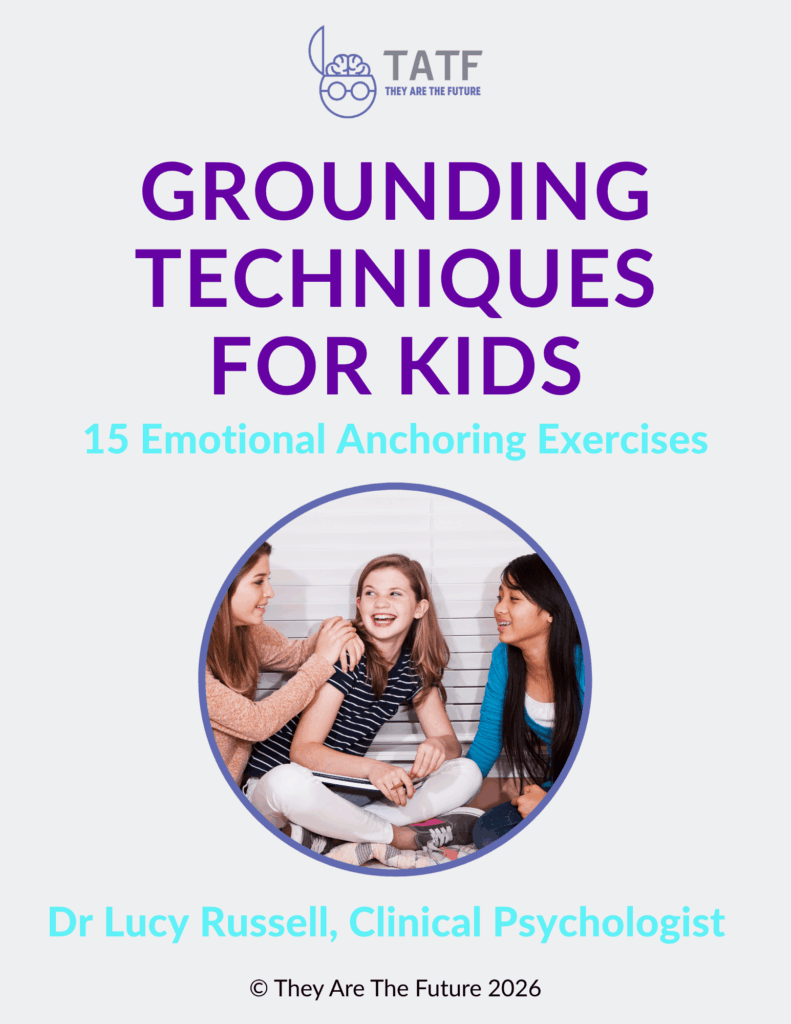
Explore short sensory exercises that bring attention back to the present moment.
Try them together to find which activities suit your child.
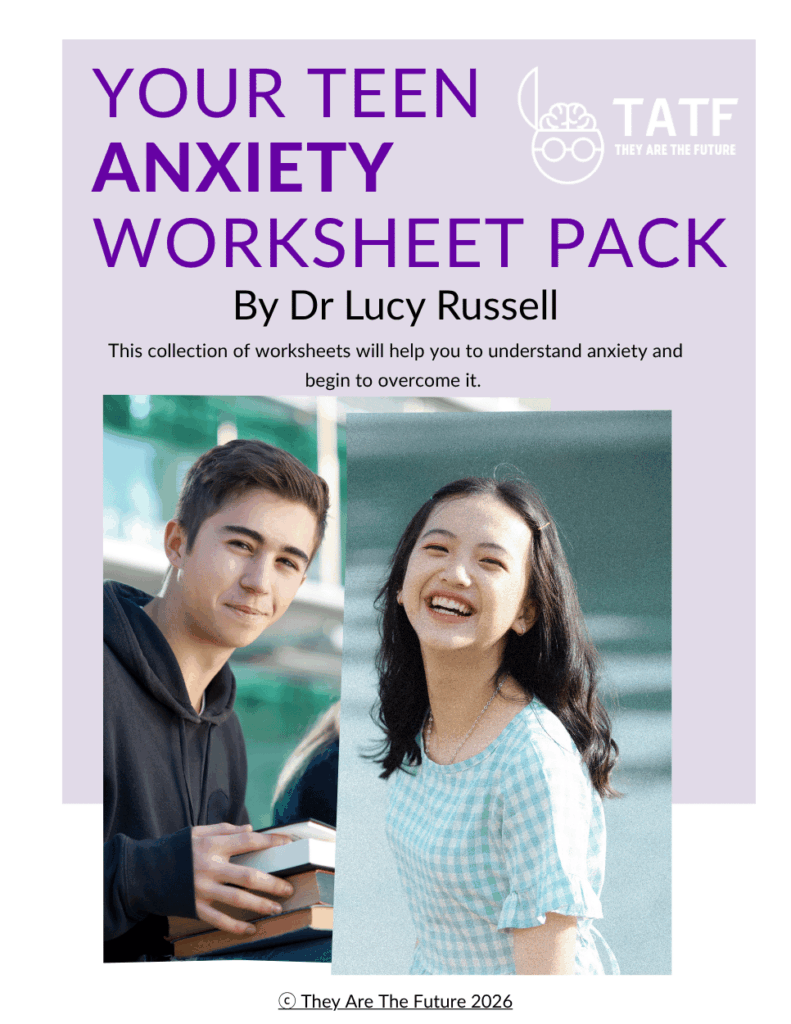
Help your teenager explore triggers, anxious thoughts and ways to cope.
Five worksheets introduce practical cognitive behavioural therapy ideas for everyday life.
Choose focused guidance or practical activities to support your family.

UK & INTERNATIONAL PARENTS · ONLINE COURSE
Understand anxiety and build a practical plan to support your child.
Choose the version for children aged 12 and under, or for teenagers.
Learn at your own pace with short videos and printable guides.

UK & INTERNATIONAL PARENTS · PRINTABLE GUIDE
Explore practical tools for supporting your child through anxiety and panic.
A printable guide for parents of children aged 6–17, including neurodivergent children.
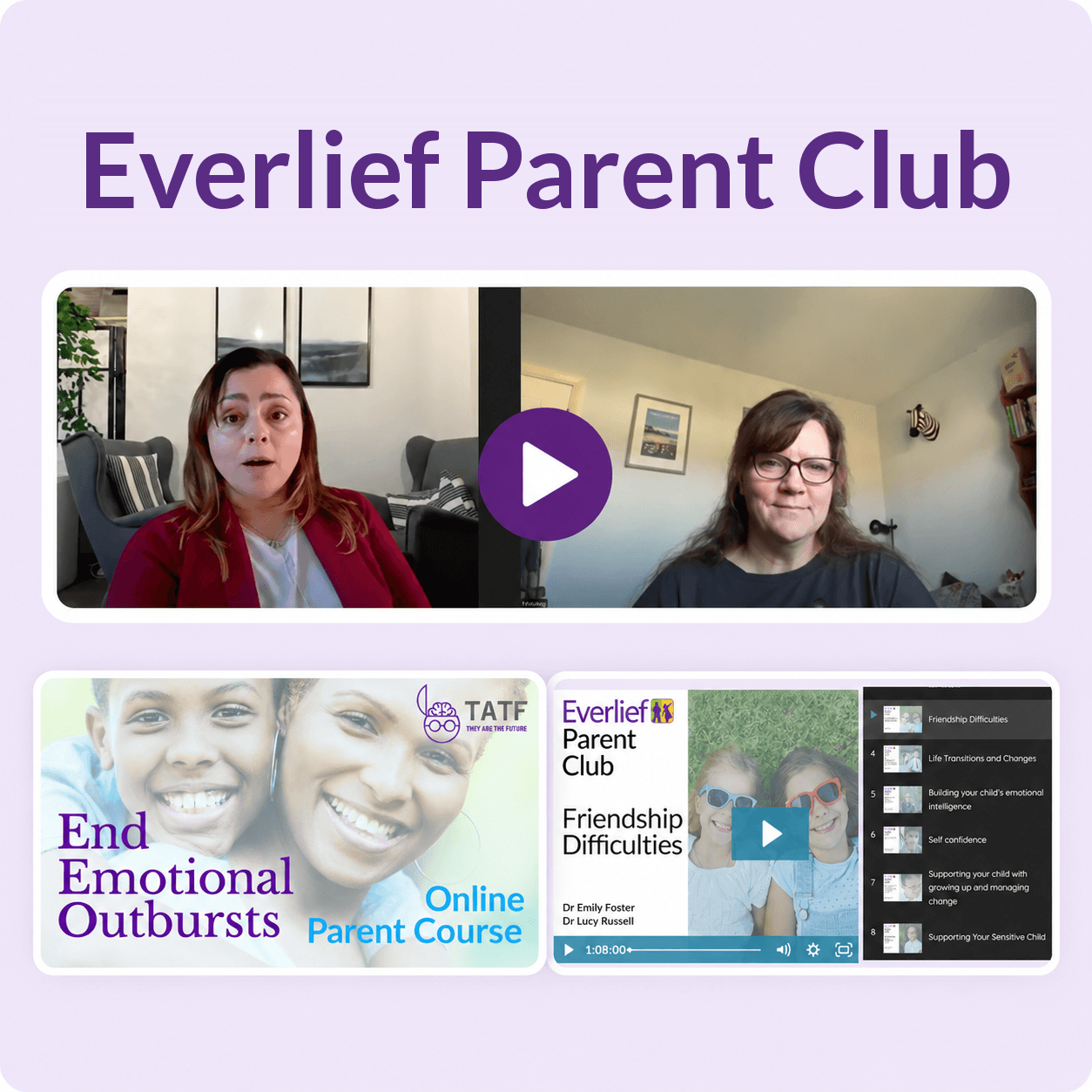
UK PARENTS · MEMBERSHIP
Dip into recorded webinars and short courses whenever you need practical ideas.
Explore anxiety, emotions, school and everyday family challenges.
£9.99 per month. Cancel any time.
Anxiety can show up in your child’s body, behaviour and thoughts. Many children complain of tummy aches or headaches, especially before school. Others become irritable or angry, avoid certain situations or need a lot of reassurance. Worries often build at night, when there is less to distract them. My article on anxiety symptoms in children explains what to look out for and how to help.
Start by listening and letting your child know their feelings make sense. Then help them take small, manageable steps towards the things they worry about, because avoiding them brings quick relief but tends to make anxiety stronger over time. Calming strategies, such as slow breathing, give your child something to do when worry builds. My free grounding exercises help you find which calming activities suit your child.
Keep goodbyes short, warm and predictable, with the same routine each morning. Agree a plan with school, such as a familiar adult meeting your child at the door, so your child knows exactly what will happen. Calm, confident goodbyes help your child learn that they can cope, even when they feel worried at first. My article on separation anxiety at school drop-off covers what to do if your child refuses to go in.
At night there are fewer distractions, so worries that have built up during the day come to the surface. Starting something new, friendship problems or changes at home can all add to this. A predictable wind-down routine, time earlier in the evening to talk about worries, and a worry box or jar help many children. My article on night-time anxiety in children has more ideas to try.
Stay calm and close, and speak in short, simple sentences. Remind your child that the feelings are uncomfortable and will pass, and breathe slowly with them. Once they feel calmer, practise calming strategies together at relaxed times, so they are easier to use next time. If panic attacks happen often, talk to your GP (family doctor) or a mental health professional. My article on panic attacks in children explains how to help.
Explore more guidance below, with new articles added as they’re published.